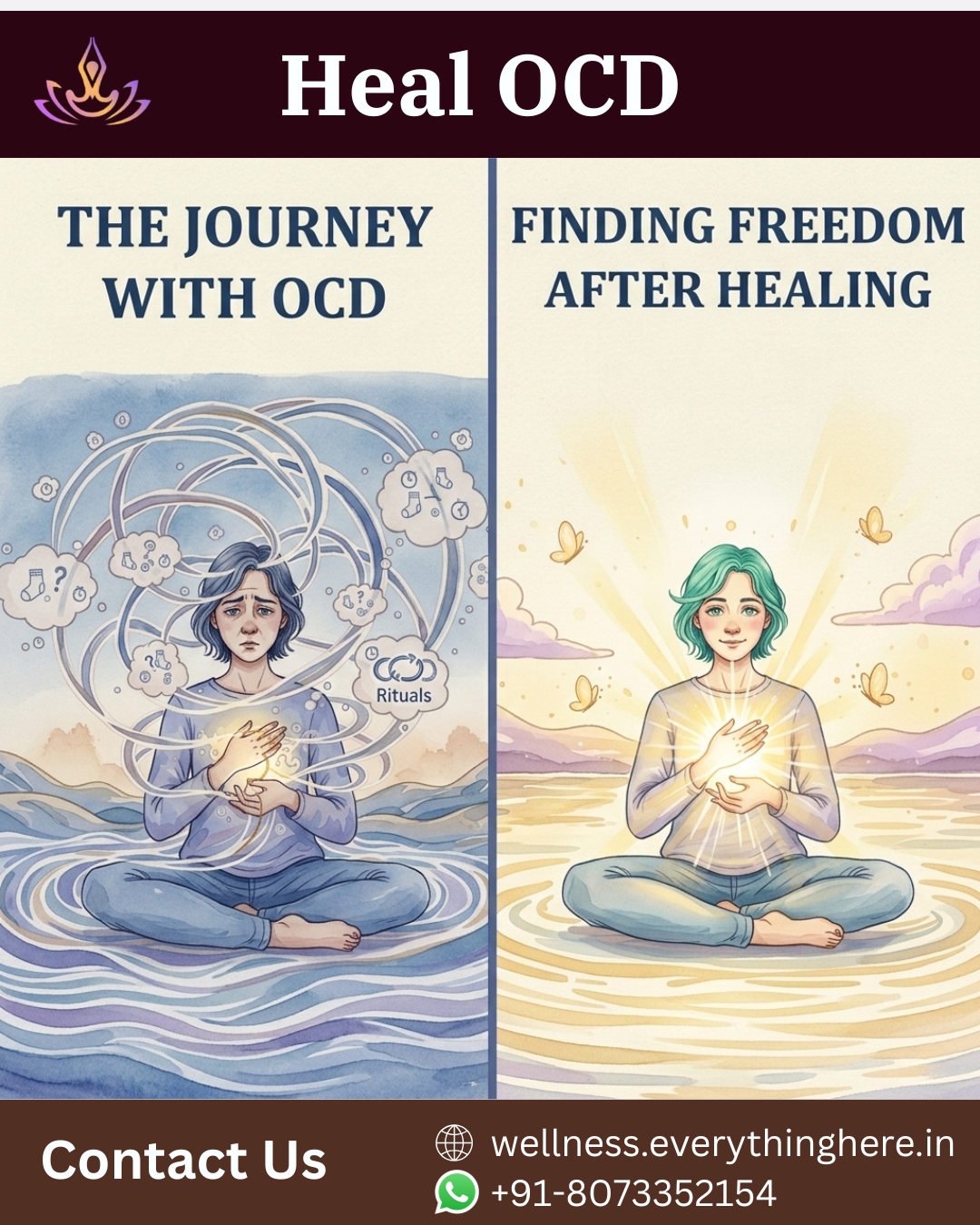
The technique encourages people to take personal responsibility for their thoughts, feelings, and actions, fostering a sense of empowerment on their healing journey. Ho’oponopono employs a simple yet powerful mantra, typically made up of four phrases: “I’m sorry,” “Please forgive me,” “Thank you,” and “I love you.” Regularly repeating these phrases can create a profound sense of calm and clarity, helping individuals let go of burdens they’ve been carrying for too long. While this practice may not directly define OCD or explain its clinical meaning, it can certainly provide a comforting backdrop as individuals seek help for their mental health struggles by reinforcing positive emotional states. In today’s world, Ho’oponopono can be applied in a variety of settings, from personal practices to therapeutic environments, where it encourages healing and self-reflection. Many people report feeling greater mental clarity and emotional balance as they weave this healing technique into their lives, opening the door to personal growth and emotional well-being.
The Transformative Power of Affirmations in Ho’oponopono
Ho’oponopono, Hawaiian practice that focuses on reconciliation and forgiveness. At the heart of this tradition are four powerful phrases: “I’m sorry, please forgive me, thank you, I love you.” These affirmations act as effective tools for tackling emotional distress, helping individuals cultivate a profound sense of healing and inner tranquillity.
This approach can be especially helpful for those dealing with OCD, where anxiety and intrusive thoughts can disrupt daily life. The phrase “I’m sorry” marks the beginning of acknowledging one’s feelings. This is particularly significant for anyone grappling with the meaning of OCD in their lives. By recognizing their intrusive thoughts and emotions, individuals can start to grasp the nature of their condition and how it affects their overall well-being. Saying “I’m sorry” can help release bottled-up emotions, paving the way for healing. Next comes “please forgive me,” which encourages letting go of guilt and self-blame that often accompany mental health struggles. It invites individuals to forgive themselves for any perceived flaws or mistakes. This step is vital when exploring how to treat OCD, as practicing self-compassion can ease anxiety and foster self-acceptance, leading to a healthier mindset. The phrases “thank you” and “I love you” represent gratitude and unconditional love, both of which are crucial for emotional healing.
By expressing appreciation and love for oneself, individuals can create a nurturing environment that supports personal growth. The comfort that these affirmations provide helps soothe the subconscious mind, allowing for the release of negative memories and energy patterns that contribute to the cycle of OCD.
By practicing affirmations in Ho’oponopono, people can embark on a transformative journey that bridges the mind and spirit, fostering a deeper sense of empowerment and compassion.